

Date published
September 18, 2026
One of the biggest misconceptions about saké is that it’s always served hot.
In reality, saké can be enjoyed chilled, at room temperature or warm. The right temperature depends on the style, the food you’re serving and, most importantly, what you enjoy.
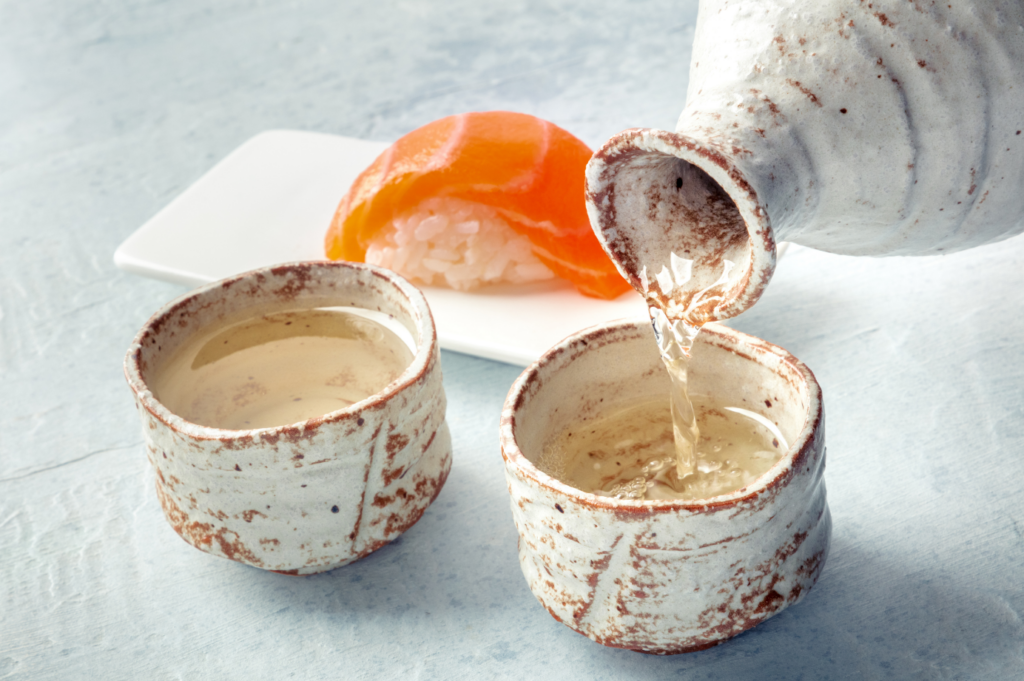
Chilling saké can highlight its fresh, bright and aromatic qualities. It’s particularly well suited to fragrant styles such as Ginjo and Dai-ginjo, as well as sparkling saké.
Try chilled saké with: Sushi, sashimi, seafood, salads and lighter dishes.
Serving saké at room temperature allows more of its texture, richness and umami to come through. It’s a versatile option for balanced styles and can be a great way to explore the character of a bottle.
Gently warming saké can bring out rounder, richer and more savoury characteristics. Fuller styles such as Junmai and Honjozo can work particularly well warm, especially with hearty and savoury foods.
Think of serving temperature as another way to explore your saké.
A bottle that tastes bright and aromatic when chilled may become softer and rounder when gently warmed. Experiment and see what you prefer.
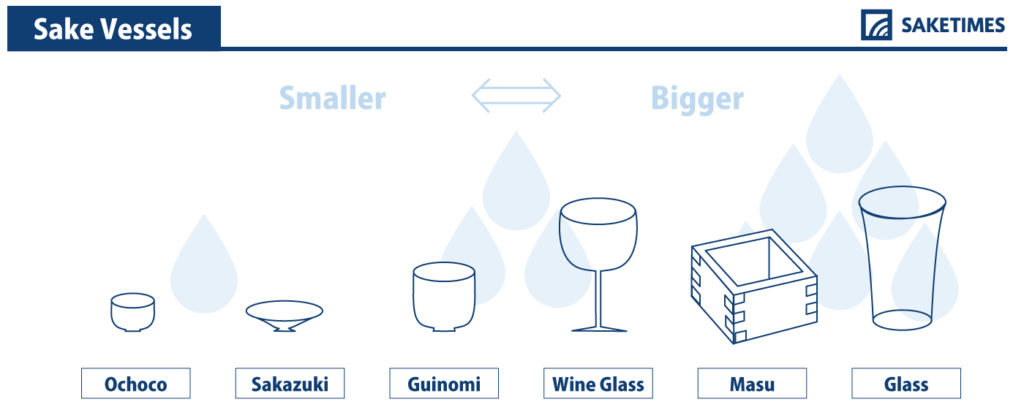
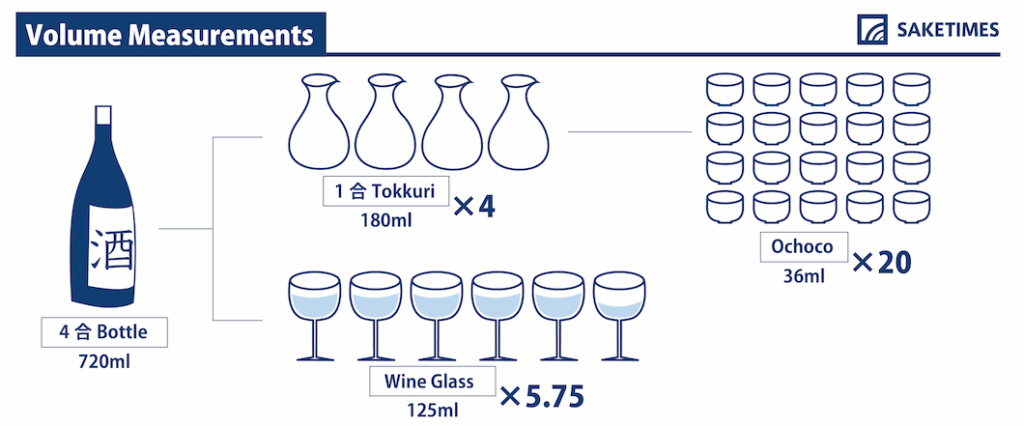
Saké can be served in a variety of glassware. A small wine glass can help highlight aroma, while traditional saké cups offer a more classic experience.
There’s no need for complicated equipment to enjoy a good bottle.
 How Should I Store Saké?
Keep saké stored according to the product’s recommendations and, once opened, refrigerate it to help maintain freshness.
For the best flavour, enjoy opened saké as soon as possible rather than treating it like a bottle meant for long-term storage.
Choose a style, choose a temperature and enjoy.
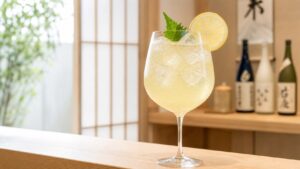
Bring a little sparkle to your glass with the Kobe Citrus Spritz. Chilled Junmai saké meets bright yuzu, bubbly Prosecco and a splash of soda for a refreshing cocktail that’s perfect for sipping, sharing and celebrating.
Get The Recipe