
Date published
September 18, 2026
Walking through a saké selection can feel a little intimidating at first. Junmai, Ginjo, Dai-ginjo, Honjozo and Nigori are just a few of the terms you may see on a bottle.
The good news? You don’t need to memorize them all. Understanding a few key terms can help you choose a bottle based on the flavours you enjoy and the food you’re serving.
Junmai means “pure rice” and refers to saké made without added brewer’s alcohol.
Junmai styles are often full-bodied and rice-forward, with savoury depth and umami.
Try with: Grilled foods, richer dishes, mushrooms and miso-based dishes.
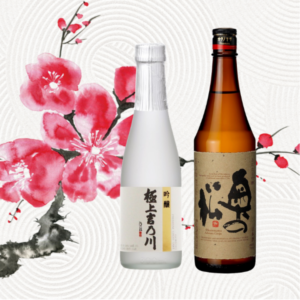
Ginjo saké is known for its fragrant, clean and often fruit- or floral-forward character.
Try with: Seafood, sashimi, salads and lighter dishes.
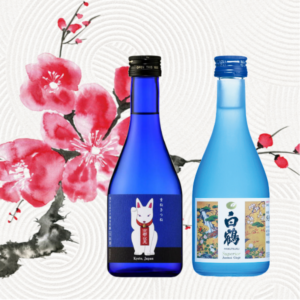
Junmai Ginjo combines the pure-rice character of Junmai with the fragrant, polished qualities associated with Ginjo.
Try with: Sushi, poultry, vegetables and lightly seasoned seafood.
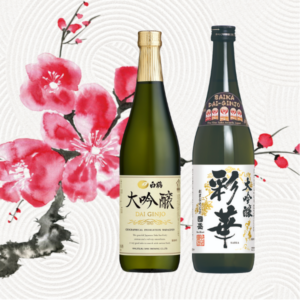
Dai-ginjo is a highly polished style known for elegant aromas and refined flavours.
Try with: Delicate seafood, white fish, shellfish and special appetizers.
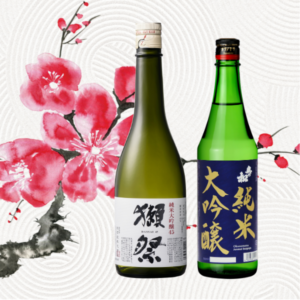
Junmai Dai-ginjo combines pure-rice depth with the elegant, aromatic qualities of Dai-ginjo.
Try with: Sushi, scallops, mild cheeses and special occasions.
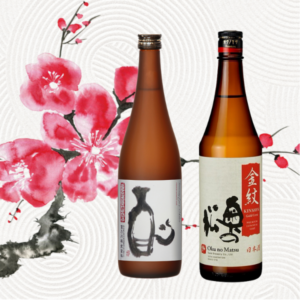
Honjozo is clean, smooth and easy-drinking. It can be enjoyed chilled, at room temperature or warm.
Try with: Everyday meals, grilled chicken, tempura and izakaya-style snacks.
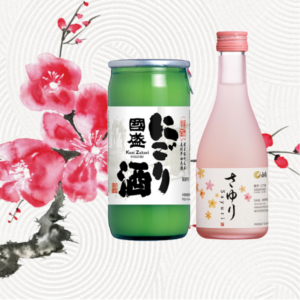
Nigori is cloudy and creamy, with a gently sweet character. Its rich texture makes it particularly enjoyable with bold flavours.
Try with: Spicy foods, desserts and fruit-forward dishes.
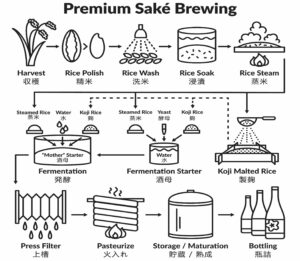
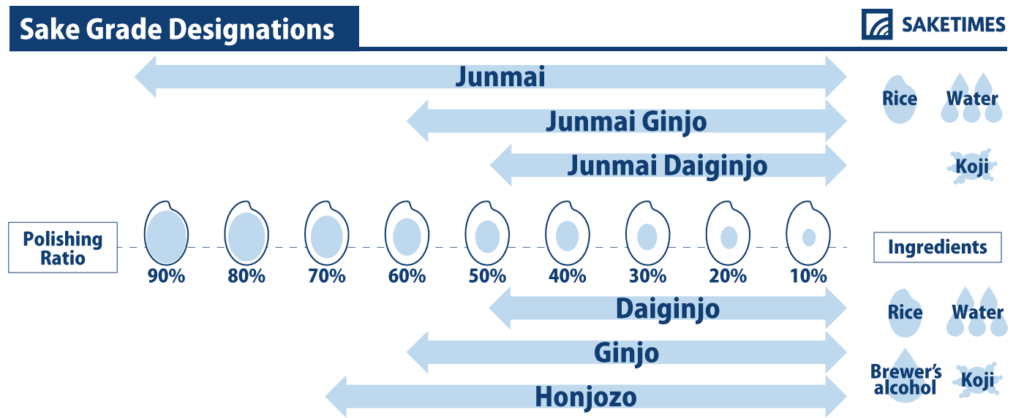
Rice polishing refers to how much of the rice grain remains after milling.
Generally, a lower polishing ratio means more of the outer portion of the rice has been removed.
This matters because different levels of polishing can influence the style, aroma and flavour of the finished saké.
Some saké styles include a small amount of added brewer’s alcohol.
This doesn’t automatically indicate lower quality. Brewer’s alcohol can be used to influence aroma, texture and balance, and is part of traditional styles such as Honjozo, Ginjo and Dai-ginjo.
Don’t worry about knowing every term on the label.
Start with three questions:
From there, you’ll have a much better idea of where to start.